

Fire Sprinkler Corrosion in Vermont Buildings: Causes, Warning Signs & What to Do
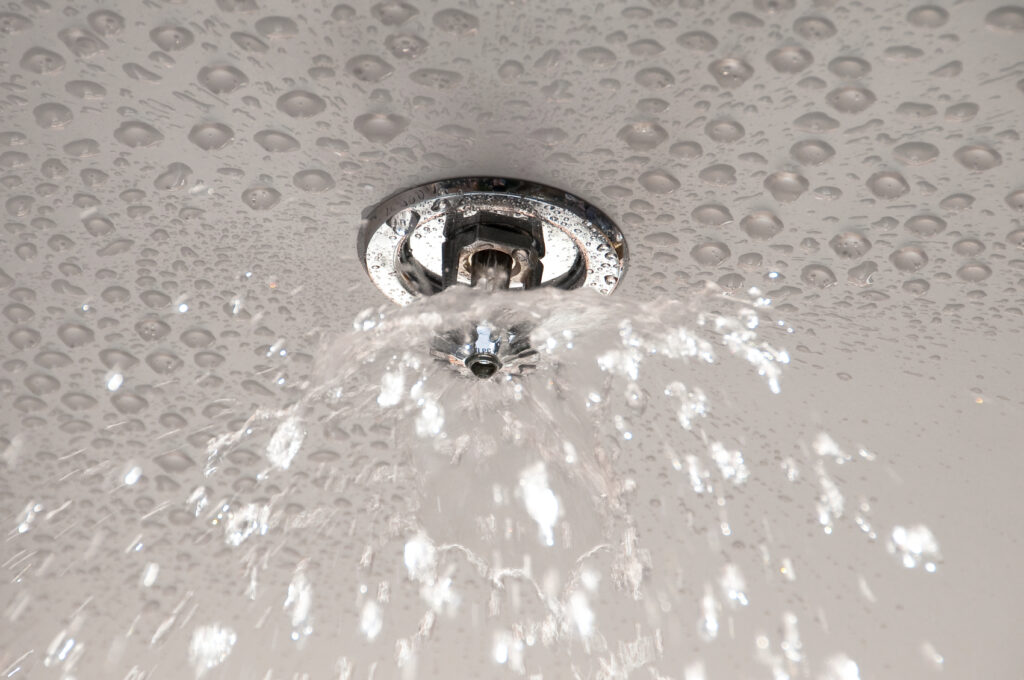
Fire sprinkler systems are designed to provide reliable protection when a fire occurs, but like any water-based system, their components can deteriorate over time. Corrosion inside sprinkler piping can develop gradually and may go unnoticed until it causes leaks, restricts water flow, or creates other performance concerns.
For commercial property owners and facility managers, it’s important to stay ahead of corrosion. This requires knowing what causes corrosion in fire sprinklers and being able to recognize warning signs, so our experts at Firetech Sprinkler Corp. have put together this guide to cover what you need to know about fire sprinkler corrosion.
What Causes Corrosion in Fire Sprinkler Systems?
Corrosion occurs when metal piping reacts with substances in its environment. In fire sprinkler systems, several factors can contribute to this process.
Oxygen Exposure
Oxygen exposure is one of the primary contributors to corrosion. Although wet sprinkler systems remain filled with water, trapped or introduced oxygen can react with metal piping and promote deterioration. Dry and preaction systems can also experience corrosion when moisture and oxygen are present together.
Water Quality
The water that passes through your fire sprinkler can also affect how quickly pipes deteriorate. Factors like mineral content, pH, and other characteristics can influence corrosion rates.
Pipe Condition
Older pipes are more prone to corrosion than newer ones. As sprinkler piping gets older, years of exposure to water, oxygen, deposits, and other conditions can increase the potential for deterioration.
Contamination
Another possible cause of fire sprinkler corrosion is microbiologically influenced corrosion. This occurs when certain microorganisms contribute to electrochemical processes that accelerate corrosion on metal surfaces.
We Can Help!
Contact UsWarning Signs of Corrosion
Most of a sprinkler system’s piping is internal or located above ceilings and in other less-visible areas. This can make it tricky to spot corrosion, but fortunately, there are still warning signs that you can keep an eye out for. Look for these common signs of corrosion:
- Discolored water: Brown, orange, rusty, or otherwise discolored water discharged during testing or drainage may indicate rust or deposits inside the piping.
- Reduced water flow: Internal corrosion and accumulated deposits can restrict the inside diameter of a pipe and potentially affect water delivery.
- Pinhole leaks: Small leaks in sprinkler piping may indicate that corrosion has weakened the pipe wall.
- Visible rust: Rust on exposed pipes, fittings, valves, or other components warrants attention, particularly if it appears extensive or continues to worsen.
- Scaling or deposits: Visible buildup on the exterior of a fire sprinkler system can indicate conditions that may also be affecting the interior of the system.
These symptoms don’t always reveal the extent or exact cause of the problem. A professional inspection can determine whether corrosion is present and what action, if any, is appropriate.
Why Corrosion Is a Serious Concern
As metal deteriorates, pipe walls can become thinner and more vulnerable to leaks or failure. Buildup can also accumulate inside the piping, potentially restricting water flow or affecting sprinkler components. In severe cases, these conditions can interfere with the system’s ability to deliver water as designed during a fire.
Corrosion can also create compliance concerns for building owners. Regular inspection, testing, and maintenance help identify deterioration and other deficiencies before they develop into more significant problems.
How Corrosion Is Diagnosed
Finding rust on an exposed pipe is only the first step toward diagnosing corrosion. Depending on the system and the conditions observed, our technicians may inspect accessible piping and components for leaks, rust, scaling, or deterioration. We can also examine discharged water and investigate sections of piping where internal corrosion is suspected.
Reviewing the system’s inspection and maintenance history can provide additional context. Recurring leaks, previous pipe repairs, unusual test results, and other documented problems can help identify patterns and determine where further investigation may be needed.
What to Do If Corrosion Is Found
If an inspection reveals corrosion, the appropriate solution depends on its cause, location, and severity. There isn’t a single corrosion treatment that is right for every sprinkler system.
In some situations, corrosion-control measures may help address the conditions contributing to deterioration. For certain dry or preaction sprinkler systems, nitrogen generation technology can be used to reduce oxygen exposure within the piping and help control corrosion.
When corrosion has significantly damaged sprinkler piping or components, replacement may be necessary. Severely deteriorated sections need to be addressed so the system can continue to perform as intended.
Protect Your Fire Sprinkler System With Firetech Sprinkler Corp.
Firetech Sprinkler Corp. provides professional fire sprinkler services for commercial properties and facilities throughout Vermont, New Hampshire, and New York. With decades of experience dating back to 1992, our NICET-certified team can evaluate your system and help you determine the right next steps when corrosion or other deficiencies are found.
Contact Firetech Sprinkler Corp. to schedule a fire sprinkler inspection or discuss concerns about your building’s fire protection system.
Fire Sprinkler Corrosion FAQs
Can corrosion cause a fire sprinkler system to fail?
Severe corrosion can weaken sprinkler piping, create leaks, and contribute to internal buildup that may restrict water flow. Because these problems can affect system performance, suspected corrosion should be evaluated and addressed by a qualified fire sprinkler contractor.
How can I tell if my sprinkler pipes are corroded inside?
Rust-colored water, recurring pinhole leaks, reduced flow, and deposits can indicate a potential problem. If you notice these signs, schedule a professional inspection to determine what is happening.
Can corrosion be prevented in a fire sprinkler system?
Corrosion cannot always be eliminated completely, but routine inspections, testing, maintenance, and corrosion-control strategies can help reduce the risk.
Can dry fire sprinkler systems experience corrosion?
Yes, dry sprinkler systems can experience corrosion when residual or condensed moisture comes into contact with oxygen inside the piping. Depending on the system, strategies such as improved moisture management and nitrogen generation may be considered to help control corrosion.
How often should a fire sprinkler system be inspected for corrosion?
Fire sprinkler systems should be inspected and tested according to applicable codes, standards, and local requirements. Our team at Firetech can help you determine the necessary inspection schedule for your commercial property.

Vermont Public Radio
Caledonia Spirits

North Country School Performing Arts Center

Shelburne Community Center and Library
Ace Hardware

Heritage Aviation
 View All Projects