Fire Sprinkler Inspection Checklist: What Gets Checked & When

The NFPA requires regular fire sprinkler inspections for virtually every commercial building with a sprinkler system. Firetech Sprinkler Corp. provides fire sprinkler inspection, testing, and maintenance throughout Vermont, Northern New Hampshire, and Northeastern New York. Our NICET-certified technicians follow NFPA 25 standards on every visit to make sure your sprinkler system works when it actually matters.
What Is a Fire Sprinkler Inspection?
A fire sprinkler inspection is a systematic review of every component in a water-based fire protection system. The inspection confirms that the system is in working condition. It also identifies any damage and verifies compliance with all applicable requirements. NFPA 25, the Standard for the Inspection, Testing, and Maintenance of Water-Based Fire Protection Systems, governs fire sprinkler inspections.
State and local agencies, insurers, and building officials all depend on NFPA 25 inspection records. These records confirm that a property’s system receives proper oversight. For large buildings, multi-tenant spaces, campuses, or critical facilities, consistent inspections help prevent important issues.
Not every sprinkler system component needs inspection on the same schedule. Some items need monthly attention. Others require quarterly, semiannual, annual, or five-year internal review.
We Can Help!
Contact UsThe Fire Sprinkler Inspection Checklist
Inspections cover a variety of components. This confirms proper working condition and code compliance.
Sprinkler Heads
Technicians check sprinkler heads for corrosion, paint overspray, damage, or anything that could block them from activating. They also flag recalled, expired, or damaged heads for replacement and make sure each sprinkler has enough clearance. Boxes or other storage items too close to a sprinkler head will disrupt the spray pattern.
Control Valves
Technicians check each control valve to confirm it is open and accessible. Tamper switches may also need testing. Technicians look for leaks around valve seats, packing, and related fittings.
Water Flow Devices & Alarm Components
Water flow devices and alarm components alert the building and monitoring system when water moves through the sprinkler piping. Technicians open the inspector’s test valve to confirm the alarm activates as expected. They also check flow switches, pressure switches, and alarm panels for proper signaling.
Pipes & Fittings
Inspectors check pipes and fittings for corrosion, leaks, damage, and improper support. They check bracing and pipe supports to confirm the system stays stable.
Unauthorized modifications are another concern. Technicians will confirm that no unauthorized changes are present.
Backflow Preventers
Backflow preventers protect the water supply from contamination. State requirements and local enforcement practices usually require annual testing. Technicians check backflow preventers for functionality, leakage, fouling and other signs of a problem.
Fire Pumps
Some buildings rely on fire pumps to provide the pressure and flow the sprinkler system needs. Fire pumps require a full-flow test each year. The team checks pump components like packing, pressure relief valves, and mechanical seals.
Gauges & Pressure Readings
Technicians verify water supply pressure against the system design and check that gauges are readable and accurate. Gauges that have damage or unreadable or have accuracy issues need replacement.
How Often Does a Fire Sprinkler System Need to Be Inspected?
Fire sprinkler systems require inspection and testing on multiple schedules. NFPA 25 sets monthly, quarterly, semiannual, annual, and five-year tasks based on the system and component.
Monthly inspections check control valves, gauges, and alarm panels. This is usually something the building staff performs.
On a quarterly basis, water flow devices and valve supervisory devices receive an inspection. This is a professional task.
Semiannually, pipe hangers and sprinkler heads in certain environments require a check. Professional knowledge considers location-specific issues.
Annually, schedule a full system inspection. This includes backflow testing and fire pump flow testing where applicable. The annual inspection is also a good time to confirm whether the system is due for a five-year internal inspection.
What Happens After an Inspection?
After every inspection, Firetech Sprinkler Corp. provides a detailed report documenting what we checked, what we tested, and any deficiencies we found. We use tablet-based NFPA 25 inspection software to keep records organized and consistent. When we identify a deficiency, we document the issue and recommend corrective action. You always get a clear next step.
Inspection reports also meet documentation requests from insurance carriers, local authorities, and internal safety teams. For owners managing multiple buildings or large campuses, clear reporting makes it easier to track compliance across all locations.
We also track each property’s inspection schedule and send reminders before required inspections come due. This keeps your team ahead of recurring requirements instead of scrambling after a deadline passes.
For property managers and facility teams, these reports create a useful maintenance history. Over time, clear reports make it easier to spot repeat issues, aging parts, or areas that need closer attention in future inspections.
Call Firetech Sprinkler Corp. Today
A sprinkler system should reliably perform when a fire occurs. Regular inspections help catch closed valves, head damage, pressure issues, corrosion, alarm problems, and other issues that affect performance.
Inspections also support better planning. When you understand your system’s condition, you can fix issues before they disrupt operations or create insurance or safety concerns.
Firetech Sprinkler Corp. is a locally owned and operated, full-service fire sprinkler company serving Vermont, Northern New Hampshire, and Northeastern New York. Since 1992, we’ve supported buildings and facilities with in-house design, fabrication, installation, inspection, testing, and maintenance services.
Our NICET-certified team follows NFPA 25 standards and provides the reporting, reminders, and guidance you need to keep your system on schedule. Whether you manage one building, several properties, or a large campus, we can help you build a safer and more reliable fire protection program.
Contact Firetech Sprinkler Corp. today to schedule fire sprinkler inspections in Vermont, Northern New Hampshire, and Northeastern New York.

Vermont Public Radio
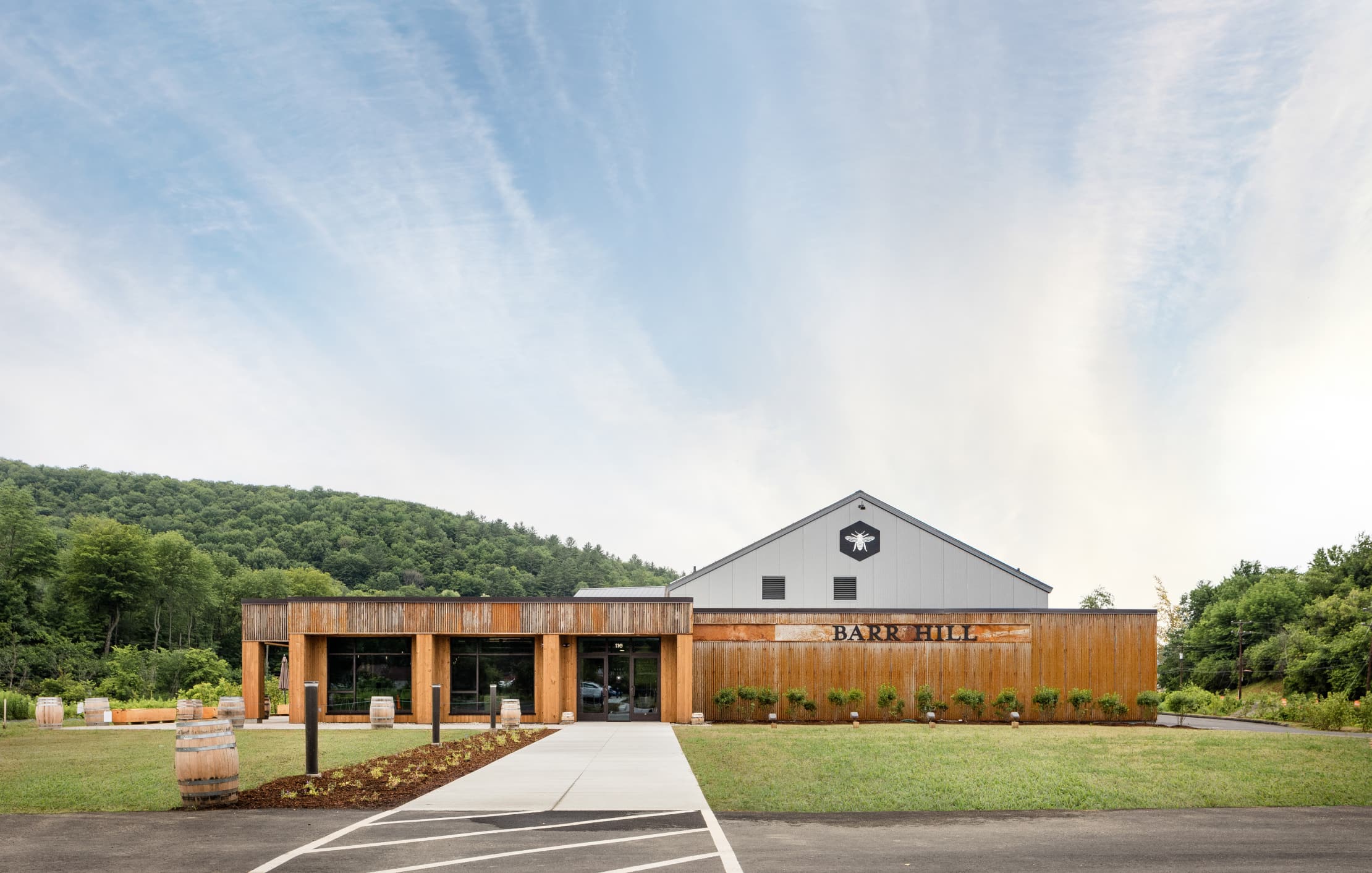
Caledonia Spirits

North Country School Performing Arts Center

Shelburne Community Center and Library
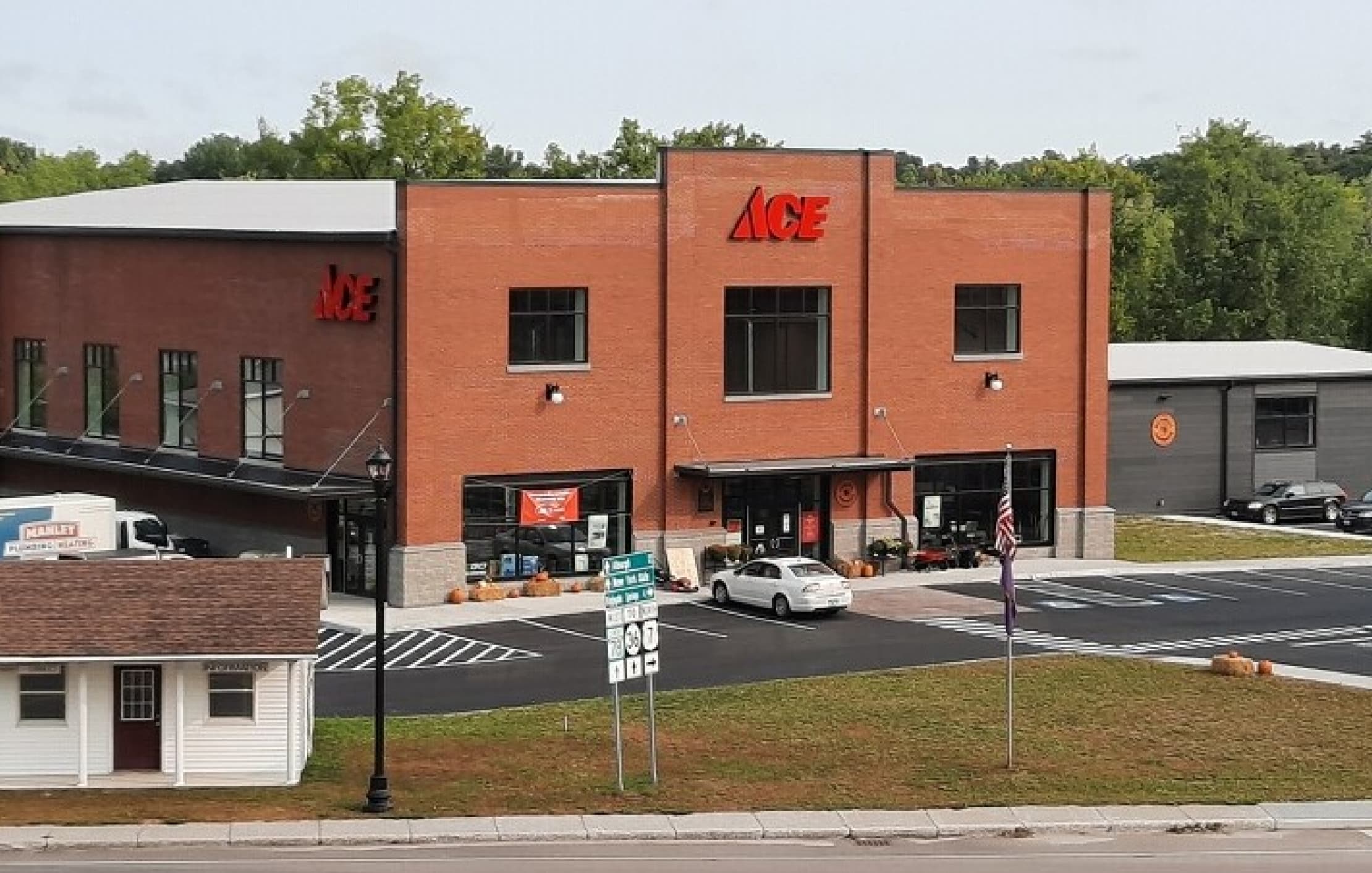
Ace Hardware
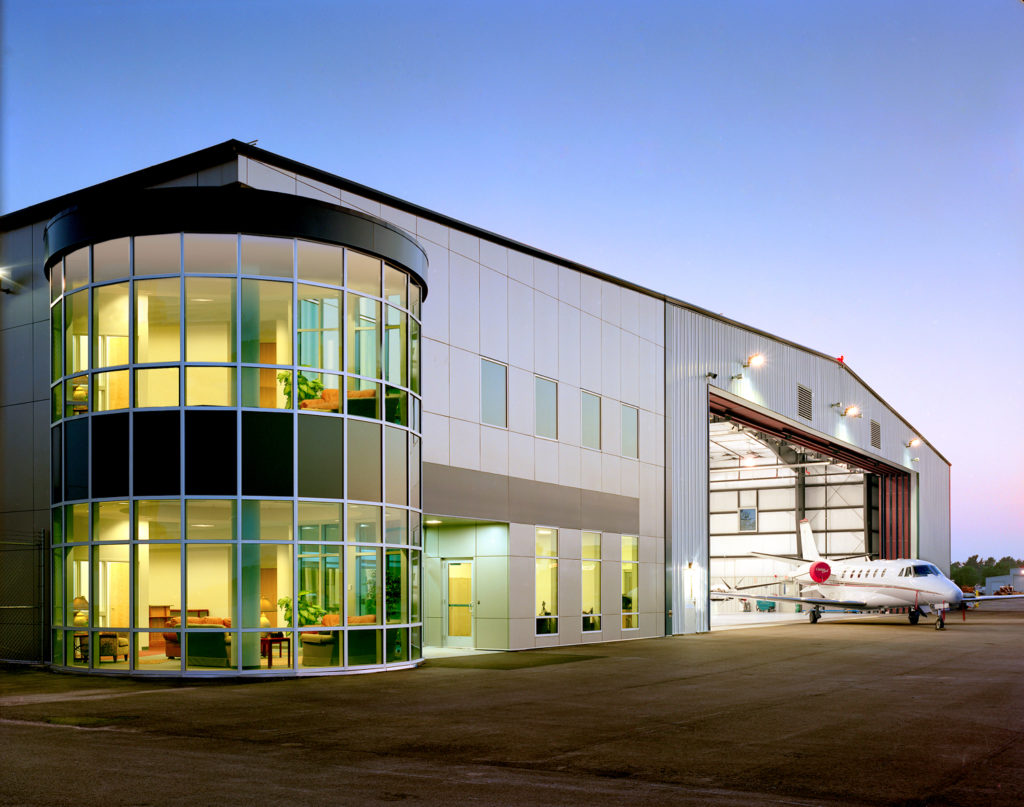
Heritage Aviation
 View All Projects