

Fire Sprinkler Requirements for Vermont Landlords & Apartment Buildings
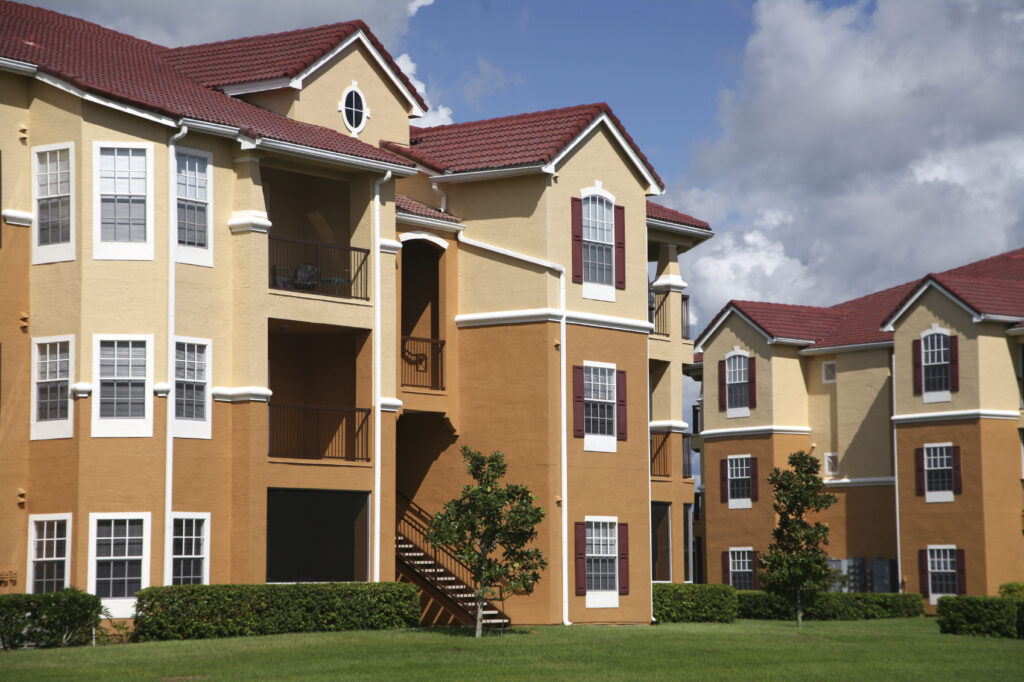
For Vermont landlords and multi-family property owners, understanding fire sprinkler requirements can be complicated. Whether you’re planning new apartment construction, managing an older building, or taking over a property with an existing sprinkler system, you may have questions about when sprinklers are required and what ongoing maintenance is expected. The fire sprinkler requirements for apartment buildings in Vermont depend on factors such as building type, occupancy, construction date, size, and other characteristics.
Questions about your Vermont apartment building’s fire sprinkler requirements? Firetech Sprinkler Corp. works with landlords and property managers across Vermont and New York. Contact Firetech for a professional assessment of your property’s fire protection needs.
Vermont Fire Code &Multi-Family Buildings
Vermont has adopted the International Fire Code (IFC) and International Building Code (IBC), along with state amendments. These codes establish requirements for fire and life safety in many types of buildings, including multi-family residential properties.
For landlords, one of the most important distinctions is whether a project involves new construction or an existing building. New construction is generally evaluated under the codes in effect for the project, while existing properties may have different requirements depending on their construction history, occupancy, renovations, and other factors.
The Vermont Division of Fire Safety plays an important role in fire code enforcement. Local authorities having jurisdiction (AHJs) may also have requirements that apply to a specific property. That’s why reviewing your building with the appropriate AHJ and a qualified fire protection professional is important before assuming that a particular sprinkler system is compliant.
When Are Fire Sprinklers Required in New Residential Construction?
Under current Vermont building code, new multi-family residential buildings are generally required to have fire sprinkler systems. Exactly what type of system is appropriate depends on the building’s design, occupancy classification, height, and other factors.
For residential applications, two standards landlords and developers are likely to encounter are NFPA 13 and NFPA 13R. NFPA 13 is the comprehensive standard commonly associated with commercial fire sprinkler systems. NFPA 13R is specifically designed for certain low-rise residential buildings and provides a simplified approach that can make installation more cost-effective.
NFPA 13R is commonly used for qualifying apartment buildings up to four stories. One- and two-family homes are generally addressed by NFPA 13D instead. Because the appropriate standard depends on the property’s specific characteristics, a fire protection professional should evaluate the project before the system is designed.
Do Existing Vermont Apartment Buildings Need to Retrofit Sprinklers?
Retrofit requirements are often the most difficult part of Vermont landlord fire sprinkler requirements to understand. An existing apartment building that was not originally constructed with sprinklers is not necessarily subject to the exact same requirements as a newly constructed building.
However, changes to an existing property can trigger additional fire protection requirements. A change in occupancy, significant renovation, or other substantial alteration may affect what is required. Vermont has also implemented requirements for certain existing residential occupancies, including particular care facilities and high-occupancy buildings.
Because retrofit requirements are highly building-specific, don’t assume that an older property is either exempt or automatically required to have a sprinkler system. A professional assessment can help determine what requirements apply and whether a retrofit would improve the property’s safety and compliance.
If a retrofit is necessary or recommended, Firetech can help with fire sprinkler retrofitting, including planning and system installation.
Ongoing Inspection & Maintenance Requirements for Residential Sprinkler Systems
Installing an apartment building sprinkler system is only part of the responsibility. Once a system is in place, it needs regular inspection, testing, and maintenance to remain ready to operate.
NFPA 25 provides the standard framework for inspection, testing, and maintenance of water-based fire protection systems, including residential sprinkler systems. Landlords and property managers should be aware of recurring inspection and testing requirements, which can include:
- Quarterly testing: Certain alarm devices and waterflow alarm components require periodic testing.
- Annual inspections: The sprinkler system requires a more comprehensive inspection on an annual basis.
- Five-year inspections: Certain components and conditions require more extensive inspection at five-year intervals.
Property owners should also maintain documentation of inspections, testing, and maintenance. Vermont landlords with sprinklered buildings are responsible for keeping these records available to the fire marshal or AHJ when requested.
Firetech provides fire sprinkler inspection and testing to help property owners stay on top of these responsibilities. You can also learn more about fire sprinkler inspection requirements in our blog.
Common Issues in Vermont Residential Sprinkler Systems
Vermont’s climate can create challenges for residential sprinkler systems, particularly in areas of a building that are exposed to freezing temperatures. Attics, crawl spaces, and other poorly insulated areas can be vulnerable to frozen sprinkler piping if the system isn’t appropriately designed and maintained.
Older systems may also experience corrosion, particularly in buildings exposed to humid conditions or certain environmental factors. Another common issue is sprinkler heads that have been painted over. Painting a sprinkler head can interfere with its ability to operate properly and is a code violation. A painted head generally needs to be replaced rather than cleaned and put back into service.
Landlords should also make sure sprinkler heads aren’t blocked by storage, shelving, light fixtures, or other obstructions. Maintaining appropriate clearance helps ensure that water can distribute as intended during a fire.
Regular fire sprinkler maintenance can help identify these problems before they compromise system performance.
What to Do If Your Building Doesn’t Have Sprinklers
If you own or manage a Vermont apartment building without sprinklers, the first step is to determine whether the property is currently required to have them. A fire protection assessment can help identify applicable requirements based on the building’s construction, occupancy, size, renovations, and other characteristics.
If sprinklers are required or you decide to install them voluntarily, the next step is developing a system appropriate for the property. A retrofit project may involve system design, permitting, piping installation, water supply considerations, and coordination with other building systems.
Cost is naturally an important consideration for landlords. However, voluntary sprinkler installation can provide benefits beyond fire protection, including potential insurance advantages. Many insurance carriers offer premium reductions for sprinklered properties, while some may require sprinkler protection for certain building types or coverage levels. Property owners should check directly with their insurance carrier for specific requirements and savings.
Firetech can help property owners evaluate retrofit options and plan an appropriate project.
Working with Firetech on Residential Sprinkler Projects
Firetech Sprinkler Corp. works with landlords, property managers, and developers on residential fire sprinkler projects throughout Vermont and New York. From new construction and retrofit projects to inspections and ongoing maintenance, our team understands the practical challenges associated with protecting multi-family properties.
Whether you’re managing an apartment building in Burlington, planning a new residential development, or overseeing an older property that needs evaluation, Firetech can help you understand your fire protection needs and determine the appropriate next steps.
Frequently Asked Questions
Are Fire Sprinklers Required in All Vermont Apartment Buildings?
No. Requirements depend on factors such as the building’s type, number of units, number of stories, construction date, and occupancy classification. New multi-family construction is generally required to have sprinklers under current Vermont building code, while existing properties may have retrofit requirements depending on their circumstances. A professional assessment is the best way to determine what applies to a specific property.
What Is the Difference Between NFPA 13 and NFPA 13R?
NFPA 13 is the comprehensive fire sprinkler standard used for many commercial applications. NFPA 13R is a residential standard designed for qualifying low-rise buildings up to four stories and allows a simplified system design that can reduce installation costs. Many qualifying Vermont apartment buildings use NFPA 13R, but the appropriate standard depends on the property’s specific characteristics.
How Often Does a Residential Fire Sprinkler System Need to Be Inspected?
NFPA 25 establishes recurring inspection, testing, and maintenance requirements. These can include quarterly testing of certain alarm and waterflow devices, annual system inspections, and more comprehensive five-year inspections. Vermont landlords should maintain inspection records and make them available to the fire marshal or AHJ when requested.
Can I Paint Over Sprinkler Heads in My Apartment Building?
No. Painted sprinkler heads can interfere with proper operation and constitute a code violation. A sprinkler head that has been painted generally must be replaced rather than cleaned and reinstalled.
Does Installing Fire Sprinklers Affect My Landlord Insurance?
It can. Many insurance carriers offer premium reductions for sprinkler-protected buildings, and some may require sprinklers for particular building types or coverage levels. Contact your insurance carrier to find out how sprinkler protection could affect your specific policy.
Contact Firetech for a Residential Sprinkler Assessment
Whether you’re a landlord trying to understand your compliance obligations, a property manager overseeing an existing sprinklered building, or a developer planning new multi-family construction, Firetech Sprinkler Corp. can help.
Firetech serves Vermont, New Hampshire, and New York, including Burlington, Plattsburgh, Rutland, Barre, Montpelier, Colchester, and surrounding communities.
Contact Firetech to discuss your property’s fire sprinkler requirements and schedule a professional assessment.
Important note: Fire sprinkler requirements can vary from one property to another. This information is intended as general guidance, not legal advice. For a definitive determination, consult a licensed fire protection contractor in your area and your local authority having jurisdiction (AHJ).
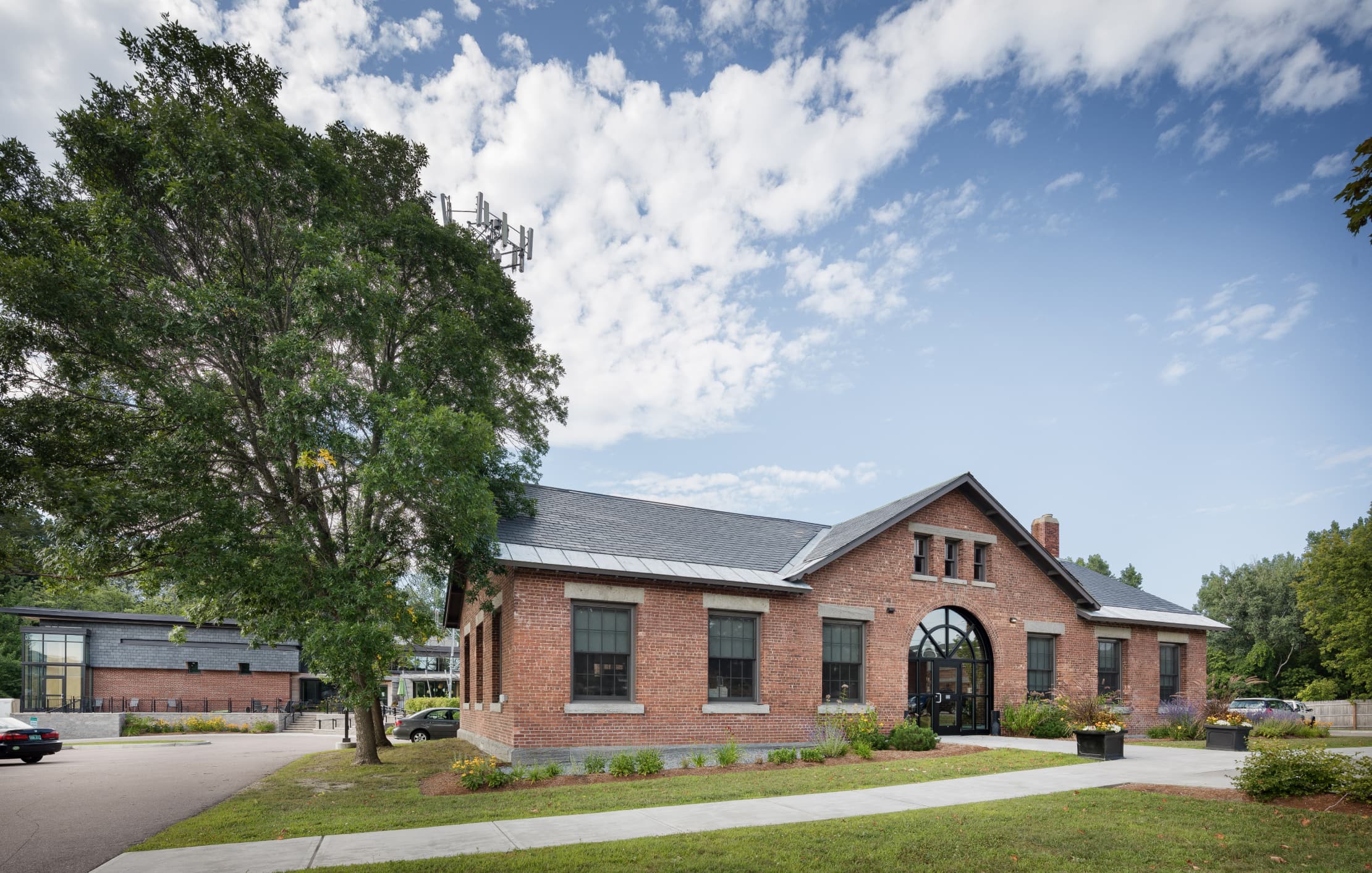
Vermont Public Radio
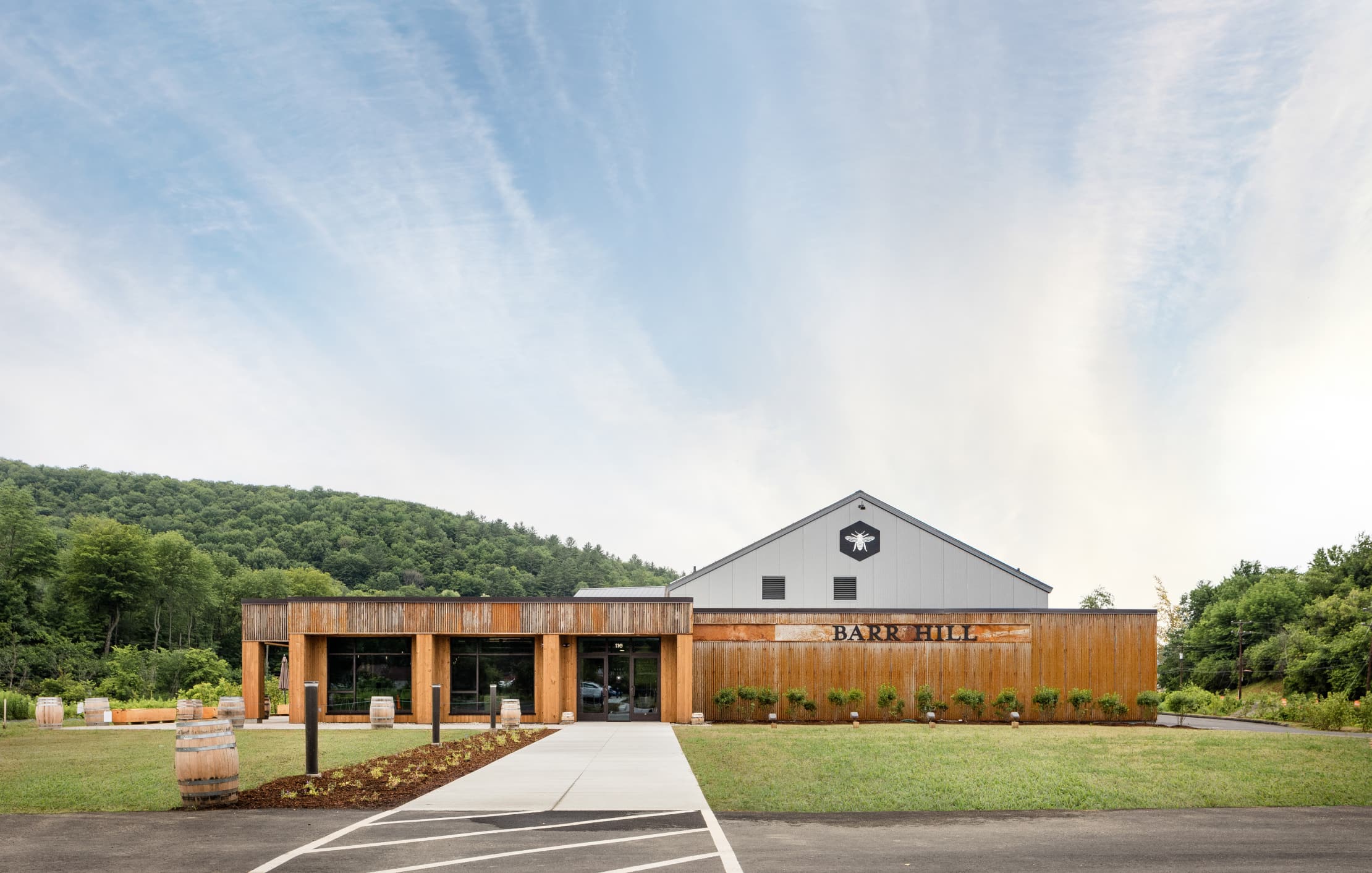
Caledonia Spirits
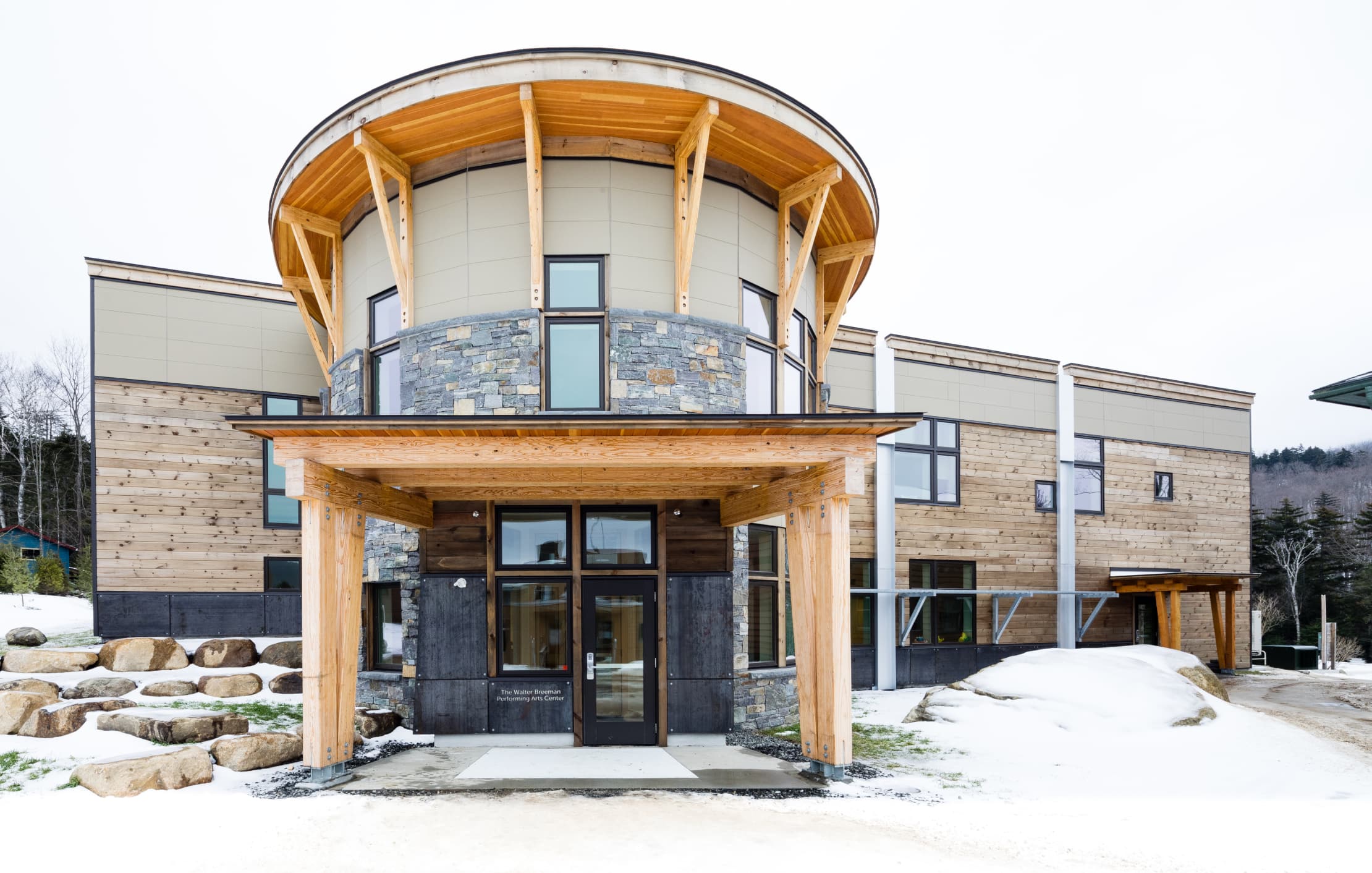
North Country School Performing Arts Center
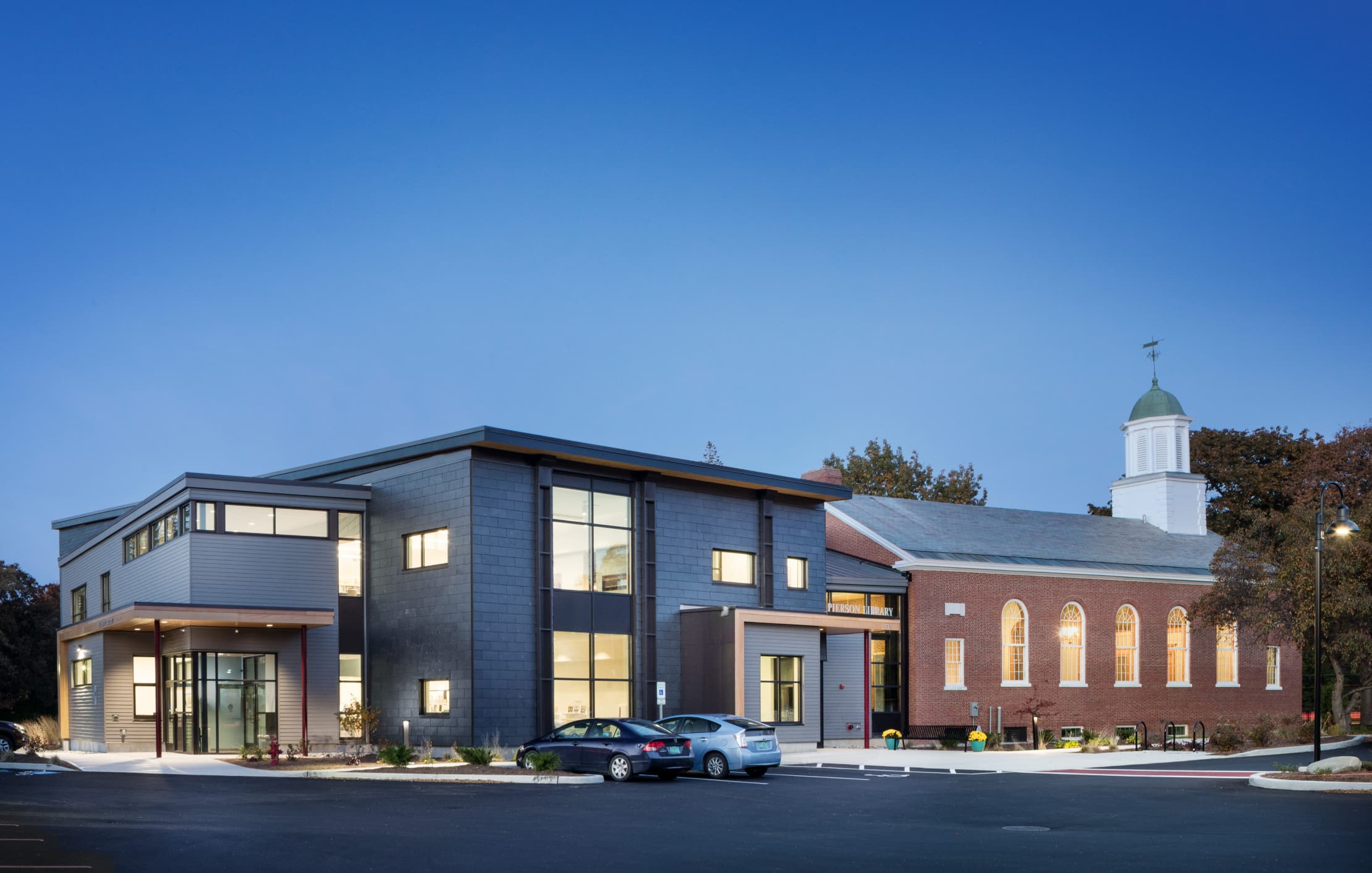
Shelburne Community Center and Library
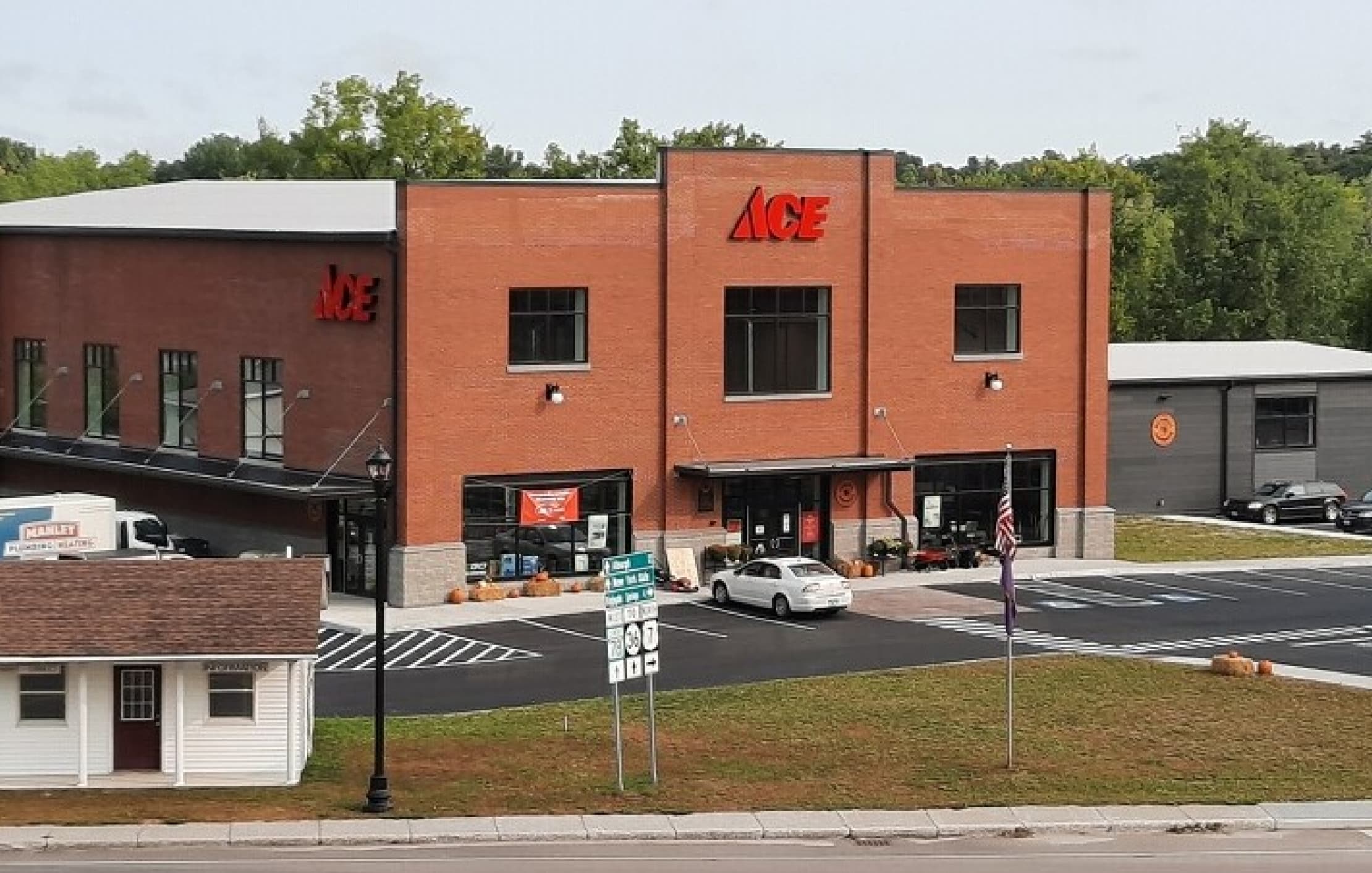
Ace Hardware

Heritage Aviation
 View All Projects