

Wet vs. Dry Fire Sprinkler Systems: What’s the Difference?
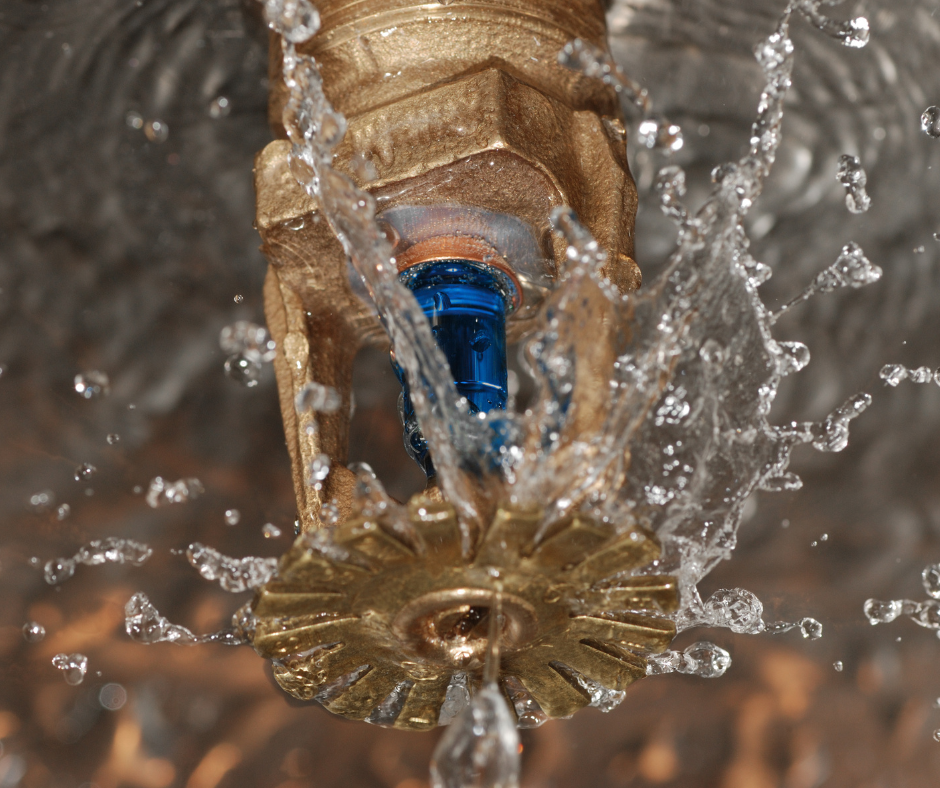
If you’re looking for ways to reduce your fire risks, a sprinkler system is a wise investment. This type of fire safety device uses water to help control fires. However, before installing your system, you’ll need to make one major decision. Should you get a wet pipe fire sprinkler system or a dry pipe fire sprinkler system? Both styles have their own strengths. To discover the type of fire system that’s best for your situation, read our guide and learn more about both options that are available from Firetech Sprinkler Corp. Not sure which system is right for your building? Firetech Sprinkler Corp. designs and installs both wet and dry pipe systems across Vermont, New Hampshire, and New York.
How a Wet Pipe Fire Sprinkler System Works
Wet pipe fire systems are the most common type of fire sprinkler system. Wet pipe sprinkler systems consist of a set of pipes filled with pressurized water. When they’re triggered, they’ll release a strong spray of water that can be used to control a fire. These pipes are common in residential areas, schools, and commercial facilities.
The main benefit of this system is that it’s straightforward and reliable. Maintenance and installation are simple and they provide dependable performance during fires.
How a Dry Pipe Fire Sprinkler System Work
A dry pipe fire sprinkler is also an effective method of controlling fires. These sprinklers also use water, but they get their name from the fact that the pipes start out dry. From the outside, these pipes look the same as wet pipe systems. However, they contain pressurized air or nitrogen. When a fire starts, a valve releases the air. Then, water from the building’s supply flows into the pipes and out through the activated sprinklers. Once the water is distributed, it can control fires and slow fire spread just as a wet pipe fire system does.
The big advantage of a dry pipe sprinkler is that its pipes aren’t vulnerable to the cold. Unlike traditional wet pipe systems, dry pipe sprinklers aren’t at risk of water freezing and bursting the pipes. This makes them a popular choice for unheated warehouses or locations that experience cold winter temperatures. You’ll often see dry pipe fire sprinkler systems in minimally heated commercial spaces or areas open to the outdoors.
We Can Help!
Contact UsWhich Style Is Right for You?
Both types of fire sprinkler systems can work well depending on your location and specific fire-prevention needs. However, for the best possible results, you’ll need to choose your system with the help of a knowledgeable professional. When it comes down to wet vs. dry fire sprinkler systems, there are several factors you need to consider.
Response Time
Dry pipe fire sprinkler setups have a slightly delayed response time compared to wet pipe sprinklers. This happens because the pressurized air in a dry pipe sprinkler must leave before water can enter it. This process can take up to 60 seconds to occur. While a good dry pipe sprinkler can still be reasonably fast, the reality is that every second can count for fire suppression.
Local Climate Considerations
A potential issue with wet pipe systems is that they can freeze in cold weather. This can cause your pipes to burst when they bulge or expand. Therefore, anywhere with piping exposed to the cold can benefit from a dry pipe system. If you want fire sprinklers in outdoor areas, like parking garages, or uninsulated areas, dry pipe systems are ideal.
Sprinkler Maintenance Needs
Dry sprinkler systems have a design that is a little more complicated than wet systems. The air inside the pipes can cause condensation when it cools down. It’s often necessary to have a drain system in place to remove excess moisture. Otherwise, corrosion can occur, and your system can malfunction. In addition to regular inspections and testing, dry sprinklers will also require the maintenance task of emptying the condensation drains every few months.
Investment & Operation Costs
Due to all the components required for a dry fire sprinkler system, installation tends to cost more than a wet pipe system. This might make a wet pipe system seem like the winner, but don’t forget about the fact that you must worry about freezing. Therefore, in the long run, dry pipe sprinklers are usually more affordable in cold areas.
Water Damage Risks
The chances of a well-installed sprinkler system leaking are minimal. However, there’s always the possibility that something can go wrong as a result of pipe damage, corrosion, or clogs. If you have a dry pipe sprinkler system, leaks start as air leaks. You don’t have to worry about water instantly flooding out.
Find the Best System With Firetech Sprinkler Corp.
If you’re still debating between the types of fire sprinkler systems that are available, Firetech Sprinkler Corp. is happy to assist you. Our experts can analyze your property, discuss your needs, and recommend the best option for your situation according to your budget. We provide a wide variety of helpful fire sprinkler system services throughout the Northern New Hampshire, Vermont, and Northeastern New York regions. Safeguarding people and property from fires is our passion. You can count on us for quality workmanship and friendly customer service.
To learn more about our fire protection services, call our team at Firetech Sprinkler Corp. today.

Vermont Public Radio
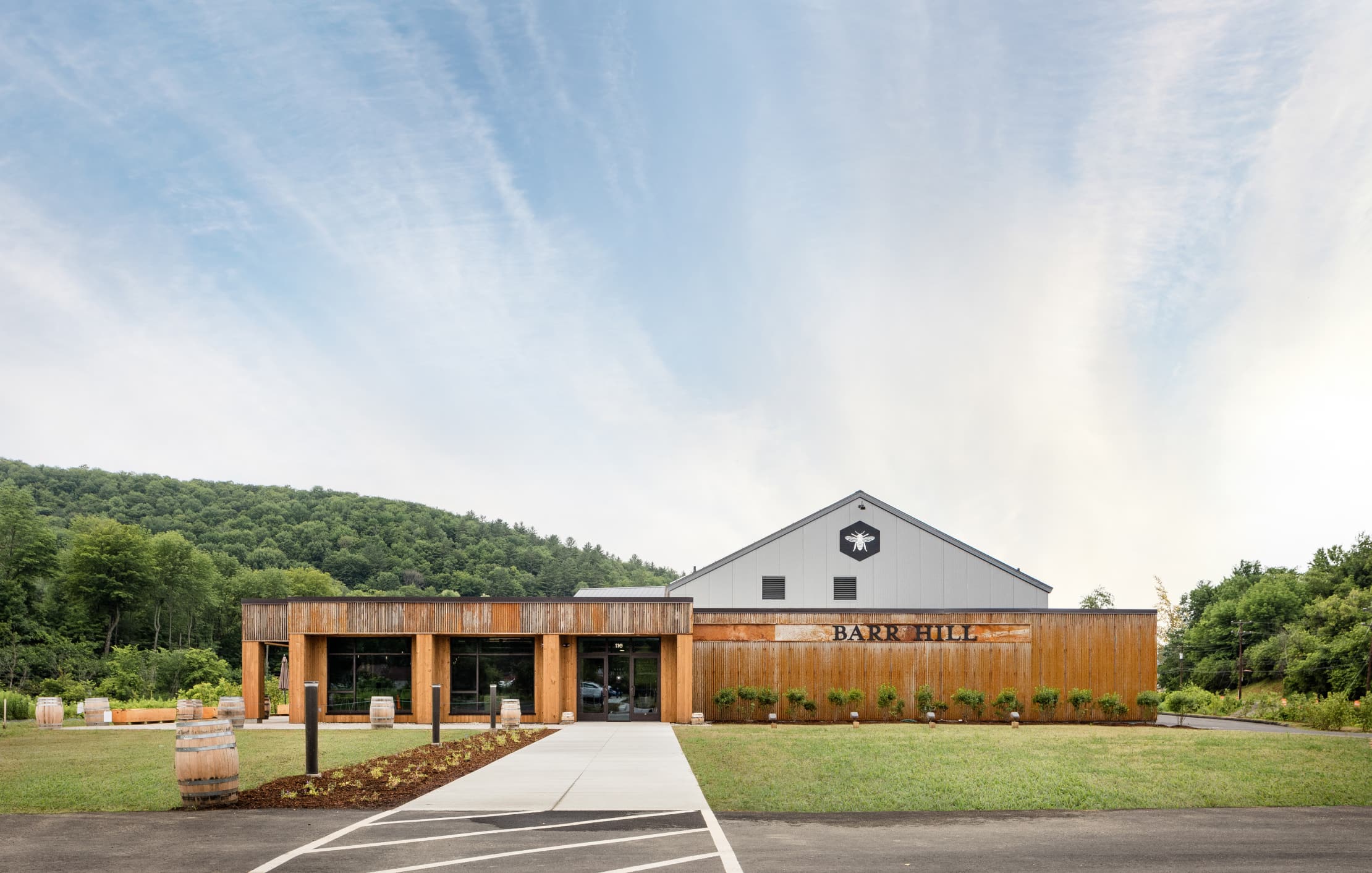
Caledonia Spirits

North Country School Performing Arts Center

Shelburne Community Center and Library
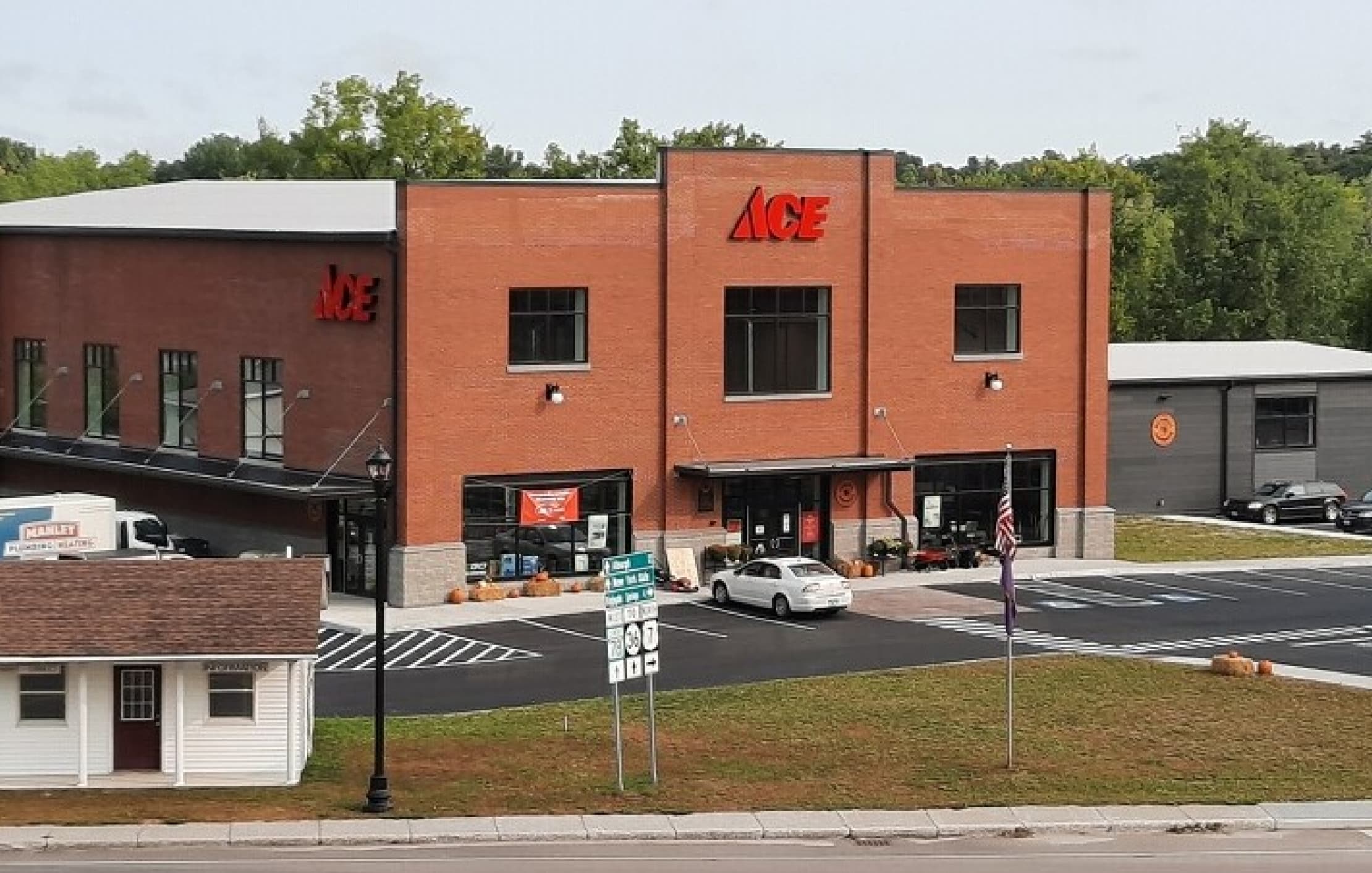
Ace Hardware

Heritage Aviation
 View All Projects