

Understanding the Requirements for Fire Sprinklers in Residential Buildings
Fire sprinklers are a cost-effective investment in safety and security. Properly installed and maintained, they can stop or slow the spread of fire so that first responders can arrive and extinguish the flames before they consume the structure. For many residential structures, fire sprinklers are a requirement for code compliance.
What Are Sprinkler Systems?
Fire sprinklers are an active form of fire protection. These systems incorporate a water supply, durable pipes, sprinkler heads, backflow preventers, fire pumps, control valves and monitoring gauges, drains, and water flow alarms. When a sprinkler activates, these components work together to facilitate the efficient flow of pressurized water throughout the system.
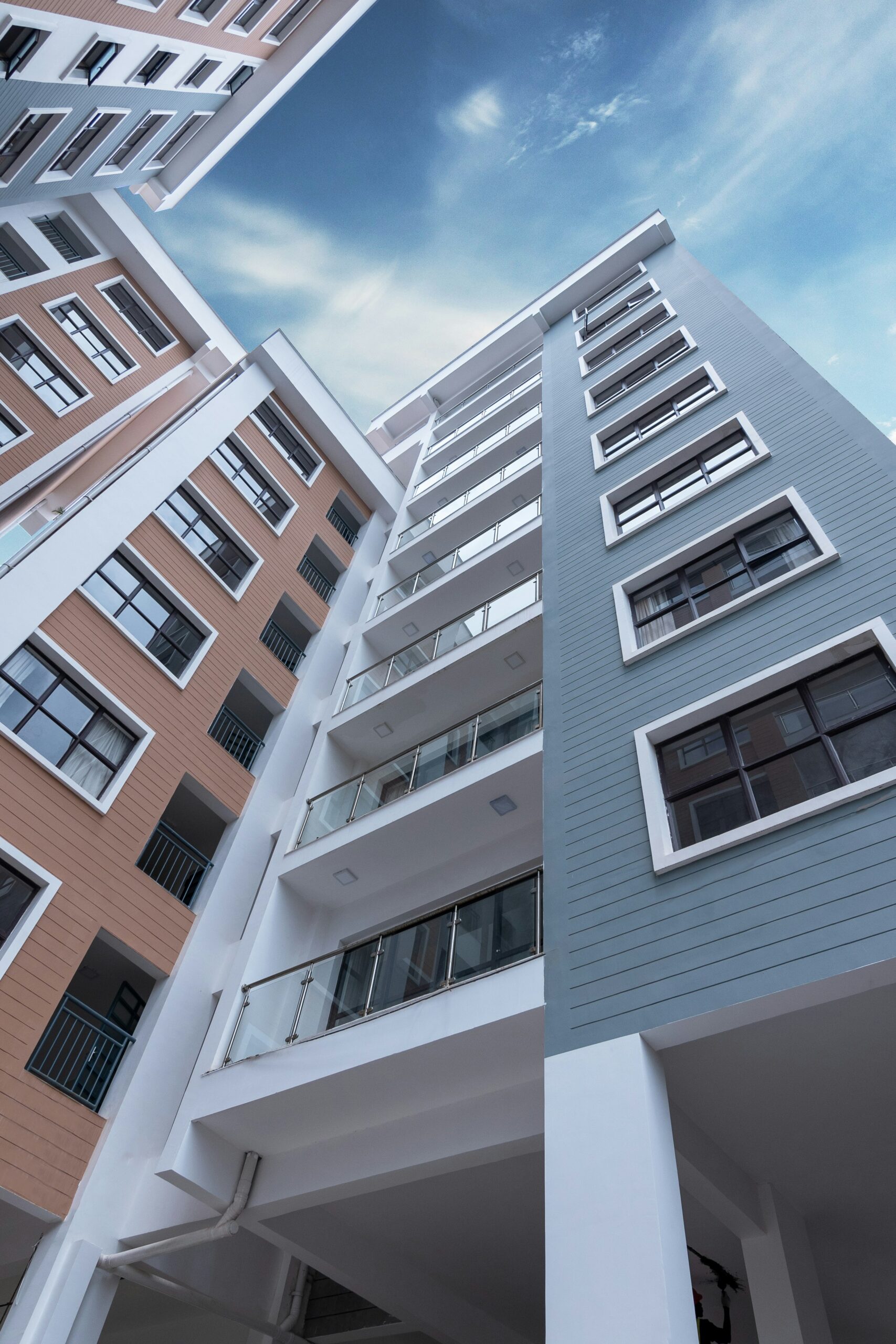
Legal Requirements for Sprinklers in Residential Buildings
Fire sprinkler requirements for residential buildings are shaped by NFPA standards and local building and fire codes. As a general rule, NFPA guidance and many jurisdictions require sprinklers based on factors like building height, total square footage, construction method, and occupancy use. Your local code official or fire marshal (the Authority Having Jurisdiction, or AHJ) is the final decision-maker for what is required at a specific property.
Common factors that can trigger sprinkler requirements
- Building height: As a general guideline, residential buildings around 75 feet and taller commonly require sprinklers, though many local codes apply additional requirements at lower heights.
- Building size: Larger buildings (often cited as 5,000+ square feet) may require sprinklers depending on the adopted codes and how the space is classified.
- Type of construction: Wood-frame and other lightweight construction methods may increase the likelihood that sprinklers are required.
- Occupancy type: Care-related residential uses (such as nursing homes or assisted living), and certain group living arrangements (such as dorms or boarding homes), often have sprinkler requirements.
Because requirements vary by state and municipality, it is important to confirm which code editions and local amendments apply to your property before planning construction, renovations, or system upgrades.
Which Fire Codes Determine Residential Sprinkler Requirements?
Residential sprinkler rules are typically based on nationally recognized standards and then adopted (often with amendments) by states and municipalities. Depending on the building type, the applicable NFPA standard may differ:
- NFPA 13: Commonly used for larger or more complex residential buildings, including many multi-family and high-rise applications.
- NFPA 13R: Often used for low-rise multi-family residential buildings where permitted by the adopted code.
- NFPA 13D: Typically associated with one- and two-family dwellings and manufactured homes when adopted and applicable.
The AHJ determines which standard is required for your project based on local code adoption, building classification, and the scope of work.
Why Local Codes and AHJs Matter
Even when NFPA standards provide a general framework, requirements can change significantly based on where your building is located. Many jurisdictions adopt state or municipal amendments that modify when sprinklers are required, what type of system is permitted, and how the system must be designed and installed. In practice, the AHJ may also interpret classifications and project scope in ways that affect sprinkler requirements.
If you are unsure what applies to your property, Firetech can help you review the project details and coordinate with the AHJ so your fire protection approach aligns with the adopted requirements.
Residential Building Types and Sprinkler Requirements
“Residential building” can mean very different things under building and fire codes. Here are common categories and why requirements may vary:
- Single-family homes and duplexes: Sprinkler requirements depend on local adoption and the type of project (new build vs. renovation or addition).
- Townhouses: Some jurisdictions require sprinklers, while others allow alternatives based on construction methods and separation requirements.
- Multi-family buildings (apartments/condos): Sprinklers are frequently required, especially as height, unit count, or building area increases.
- Care-related residential occupancies: Assisted living, nursing homes, and similar uses often have stricter fire protection requirements.
Fire Sprinklers in Condos, Townhouses, and Multi-family Residences
Many states and municipalities require fire sprinklers in condos, townhouses, and multi-family residences. However, these requirements are not universal, and there is considerable variation between states and cities. Once prescribed by the Authority Having Jurisdiction, Firetech’s team can help you navigate the codes and standards to determine the most effective and efficient fire protection systems to meet the requirements.
Benefits of Sprinkler Systems
The most important benefit of any fire sprinkler system is that it can effectively save lives. By extinguishing or slowing a spreading fire, fire sprinklers buy the precious moments required to evacuate the structure quickly and safely. NFPA studies have demonstrated that fires are contained within the immediate area of the point of origin when fire sprinklers are installed.
Well-maintained fire sprinkler systems effectively stop the spread of fire through a residential structure. The stream of water flowing through the sprinkler heads also reduces the intensity of the flames, further protecting the building from structural damage.
Finally, fire alarms and fire sprinklers are low-maintenance solutions that can significantly reduce your insurance costs. This increases the profitability and property value of your building, allowing you to use the savings toward upkeep, improvements, and other purposes.
Why Choose Firetech for Your Residential Sprinkler Needs?
The team at Firetech is committed to helping our clients enjoy superior fire protection. We offer a full range of fire prevention solutions that will give your building the protection it needs for safety and code compliance.
Our locally owned and operated company proudly provides customized fire protection solutions for clients in New York, Vermont, and New Hampshire. From design to installation and maintenance, you can rely on our team to deliver the life-saving solutions you require!
When you want reliable protection against fires, trust Firetech to deliver the solutions you need! Call us at 802-655-1800 to schedule a service appointment, today!
Sprinkler System FAQs
Are sprinkler systems mandatory in all residential buildings?
Do older residential buildings have to be retrofitted with sprinklers?
Are sprinklers required when renovating or expanding a home or multi-family building?
Can sprinkler systems be integrated with other fire safety measures?
Do sprinkler systems require special permits or approvals?
Contact Us Today
Sidebar
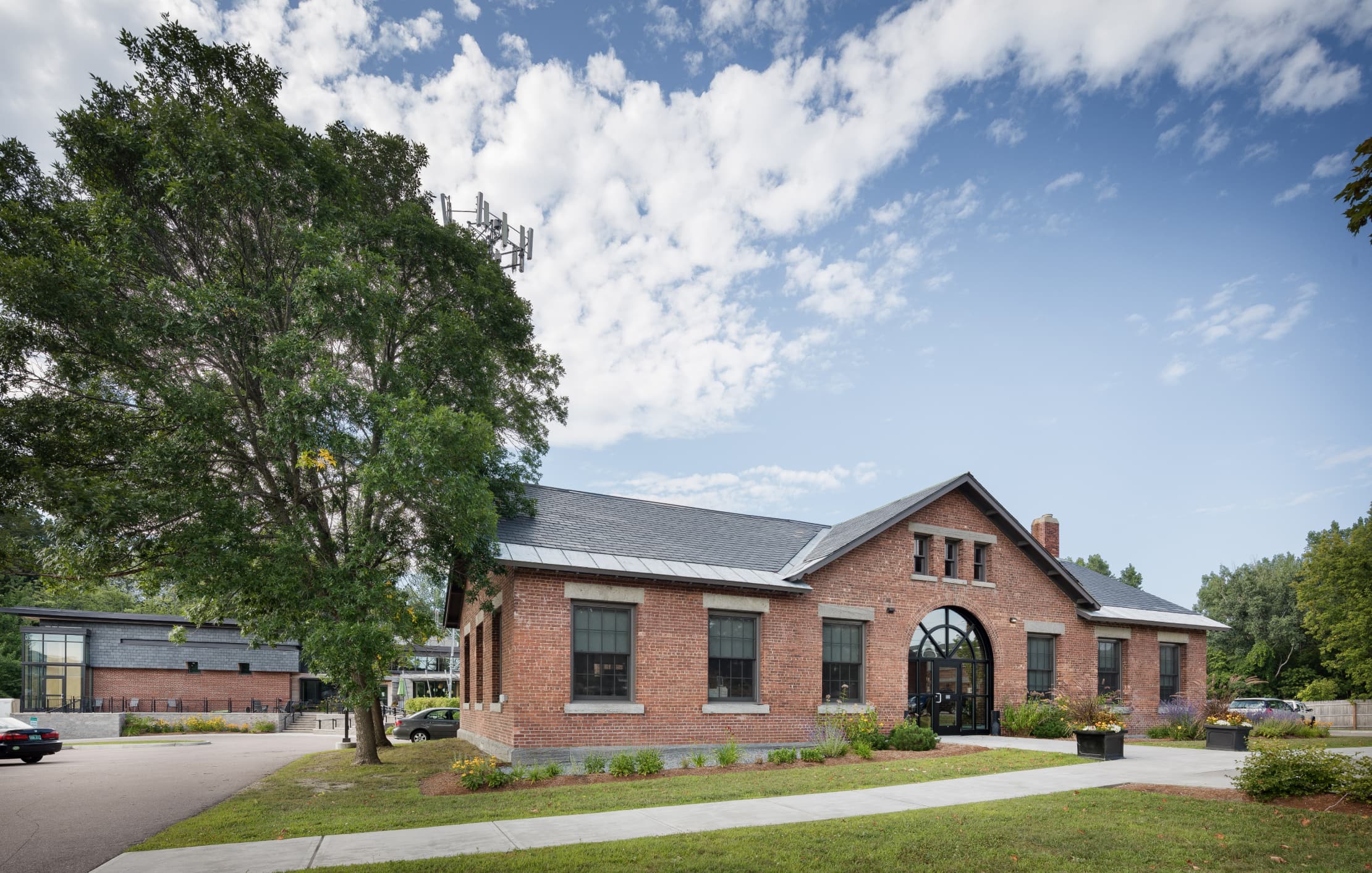
Vermont Public Radio
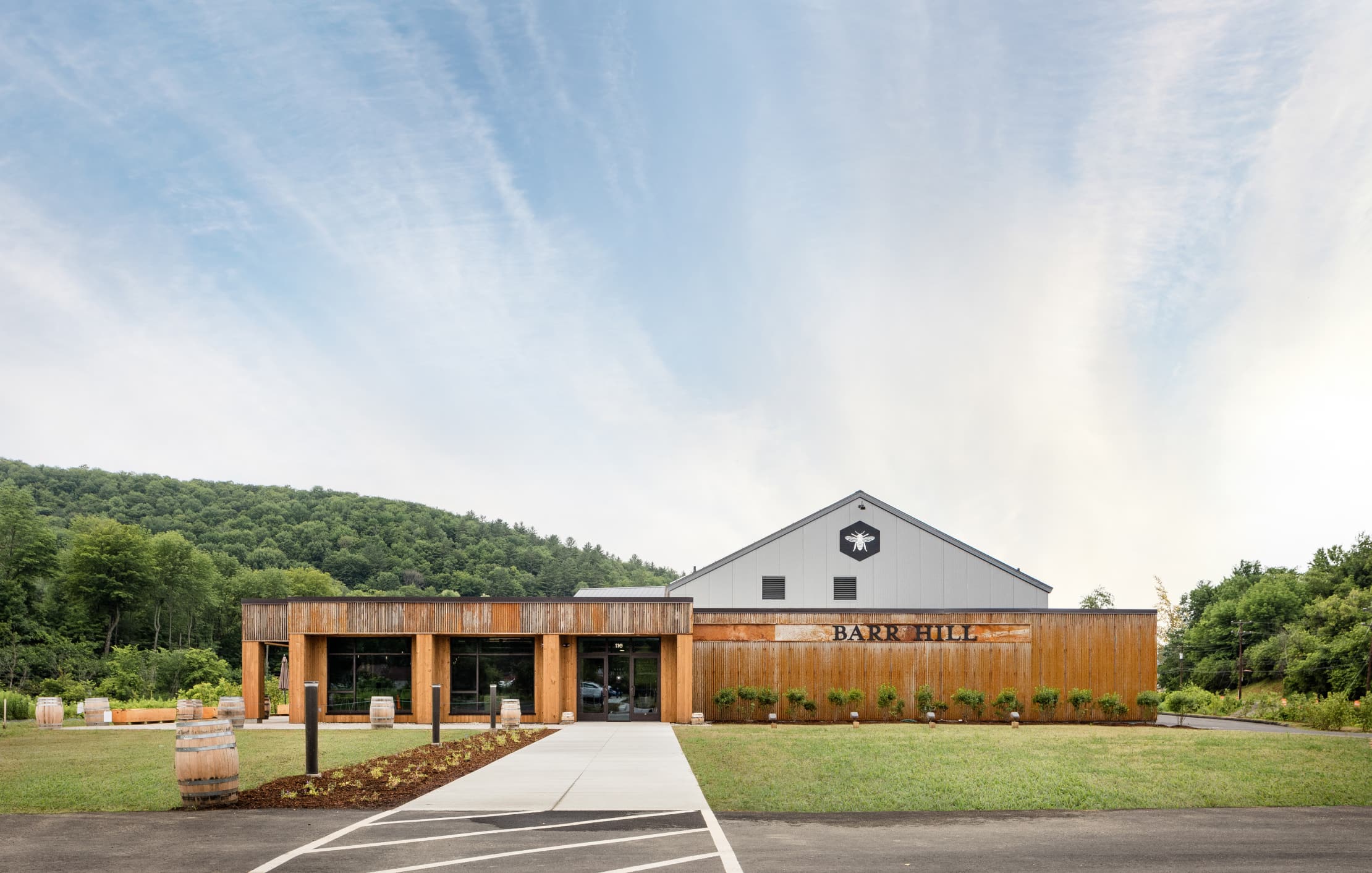
Caledonia Spirits
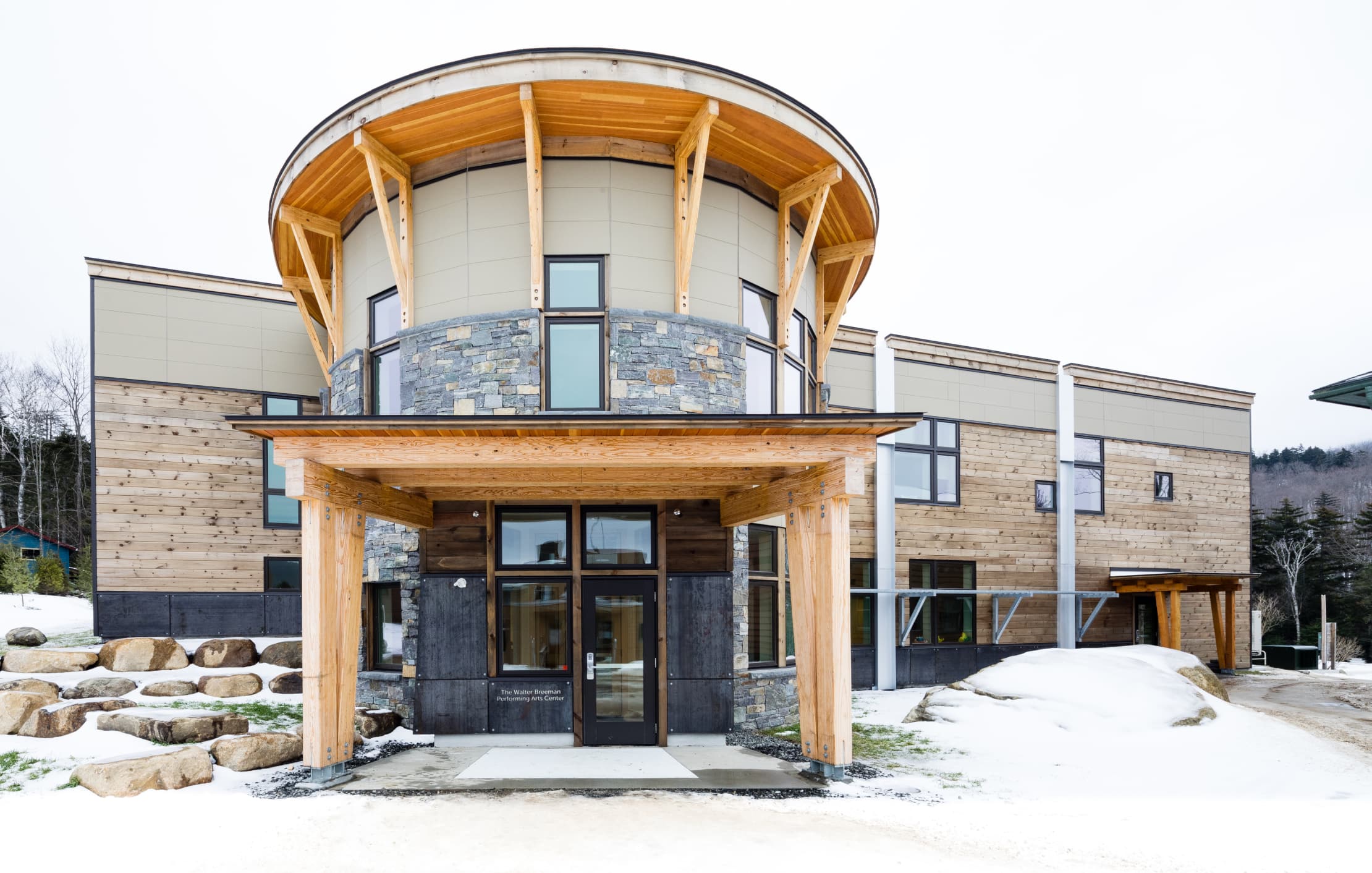
North Country School Performing Arts Center
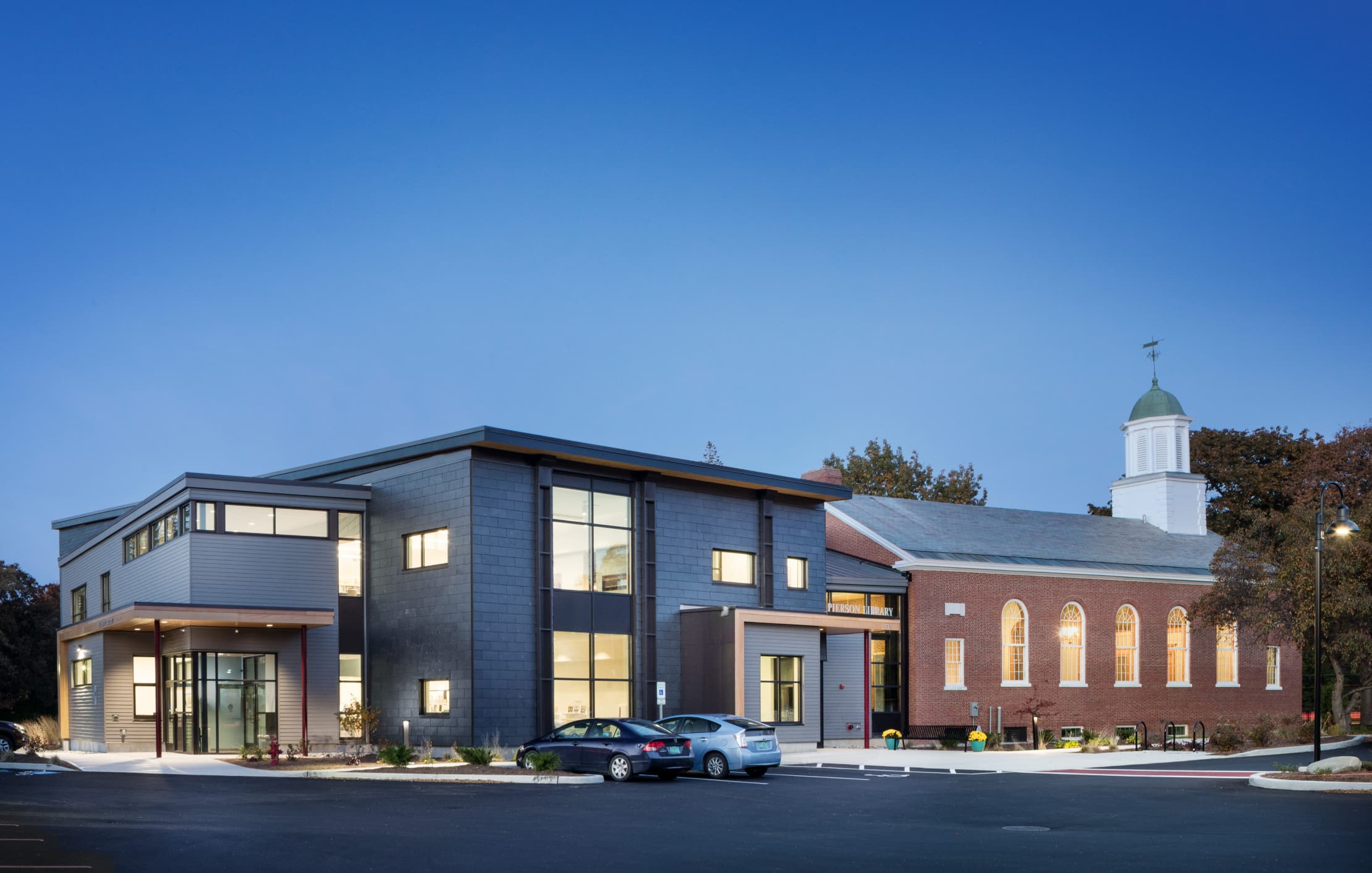
Shelburne Community Center and Library
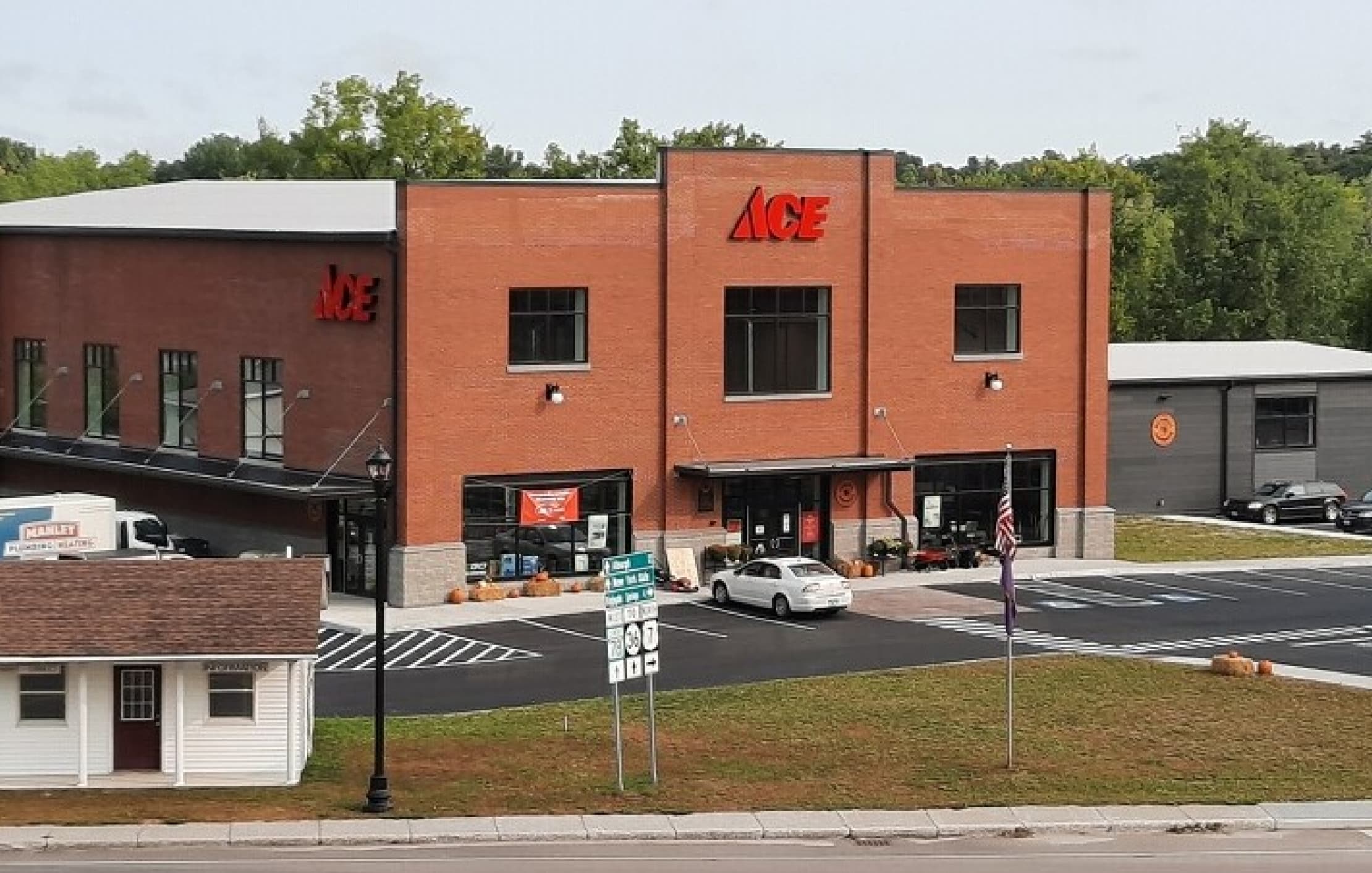
Ace Hardware
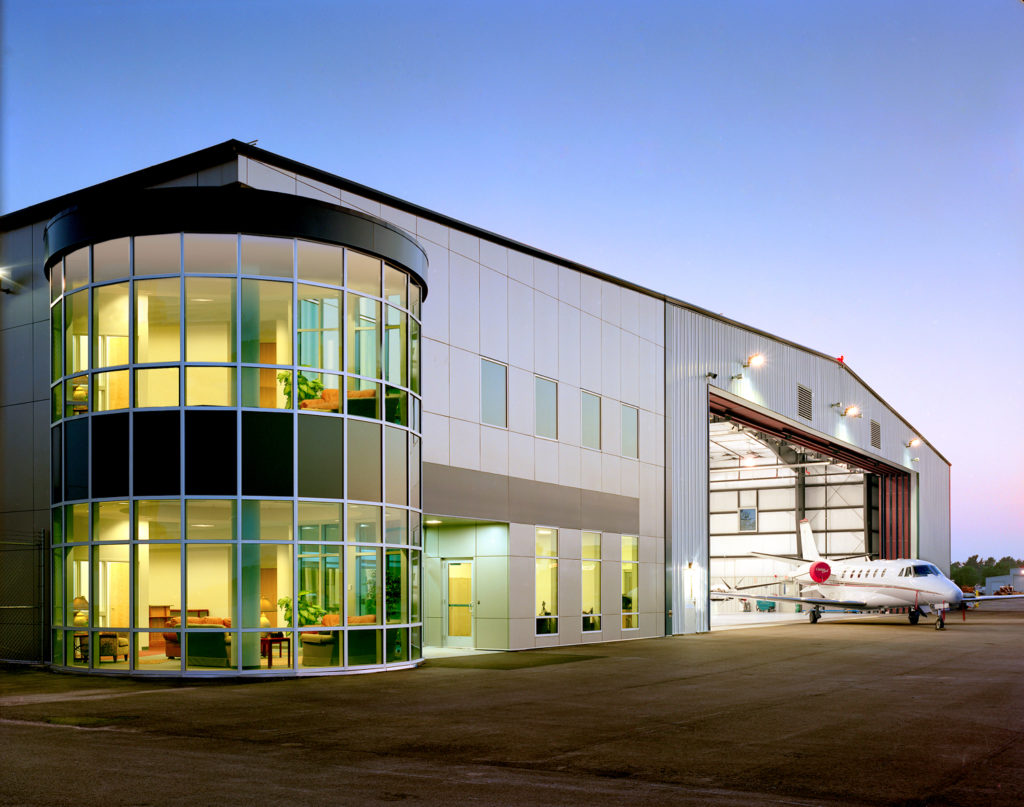
Heritage Aviation
 View All Projects